These remarkable Indian dolls comprise an unexpected group within the Logan Historical Museum collection.
In 1980, Everton Park residents Marjorie and Jim Fainges become the founder-proprietors of Panaroo’s Playings Dolls and Toy Museum, in the former public library at Windsor. Jim, a glazier and professional model-maker, was a model train enthusiast. Marjorie, an office administrator, had been collecting toys and dolls for some years. She co-founded the Brisbane Doll Society in 1976 (and still attends meetings).
Soon after opening Panaroo’s Marjorie and Jim worked together to outfit 120 Barbie and Ken dolls in Australian costumes dating from 1788 to the early 1980’s. Marjorie researched and stitched the dolls’ clothes, cut from patterns made by Jim. Originally displayed at Panaroo’s, these dolls are now in the Logan Historical Museum collection.
From 1986, Marjorie was to research and write 16 standard reference works on dolls and toys of Australia.
Word of the historically-outfitted Australian dolls at Panaroo’s reached Shankar’s International Doll Museum in Delhi, India. Opened in 1965, the Shankar collection grew steadily through gifts and exchanges from international visitors. In the late 1980’s, Marjorie received a letter from Shankar’s, asking for a doll representative Australian dress. As there is no ‘national costume’ amongst post-colonial Australians, Marjorie and Jim dressed 40 specially made clay dolls in various styles from Australia’s colonial period to the 1980’s and sent them to Delhi.
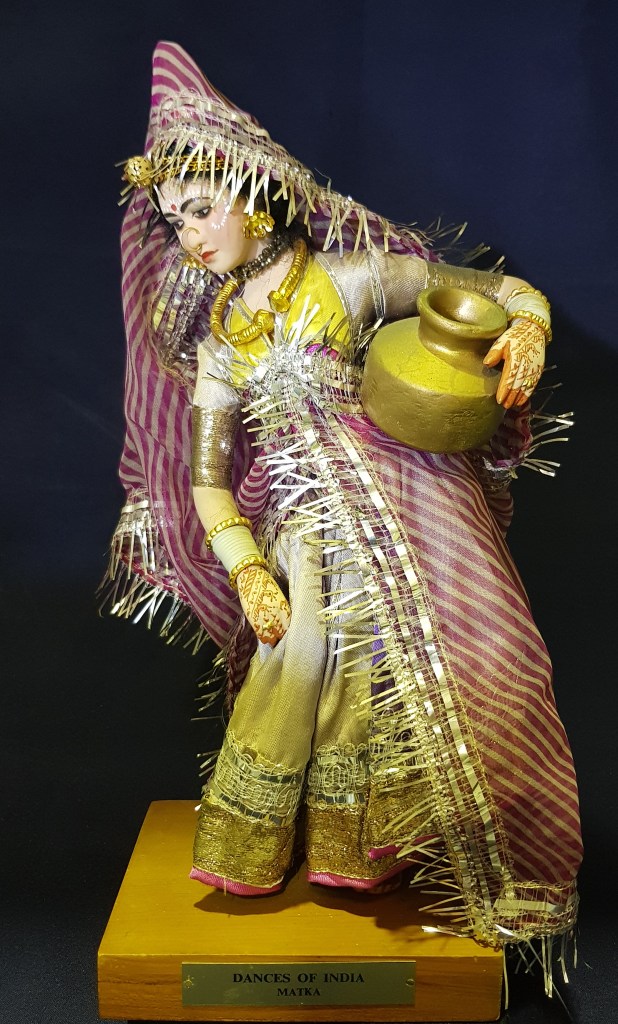
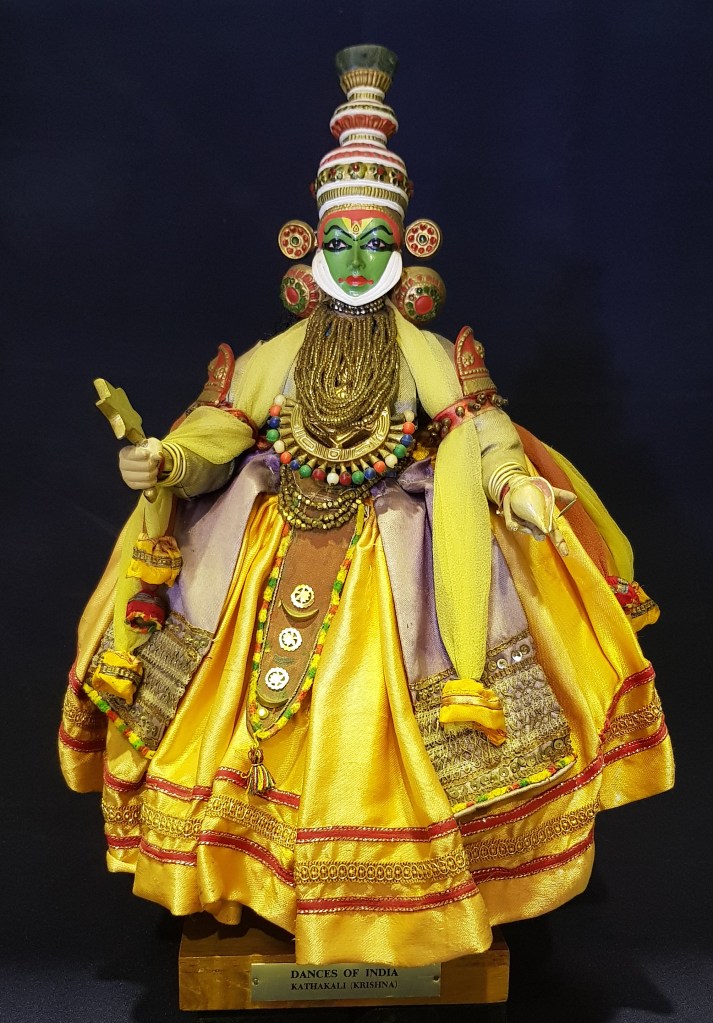
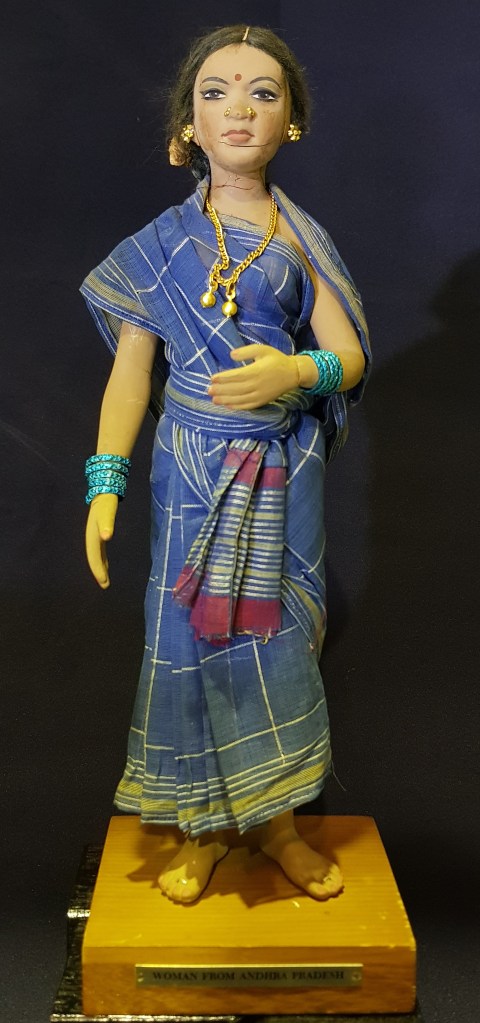
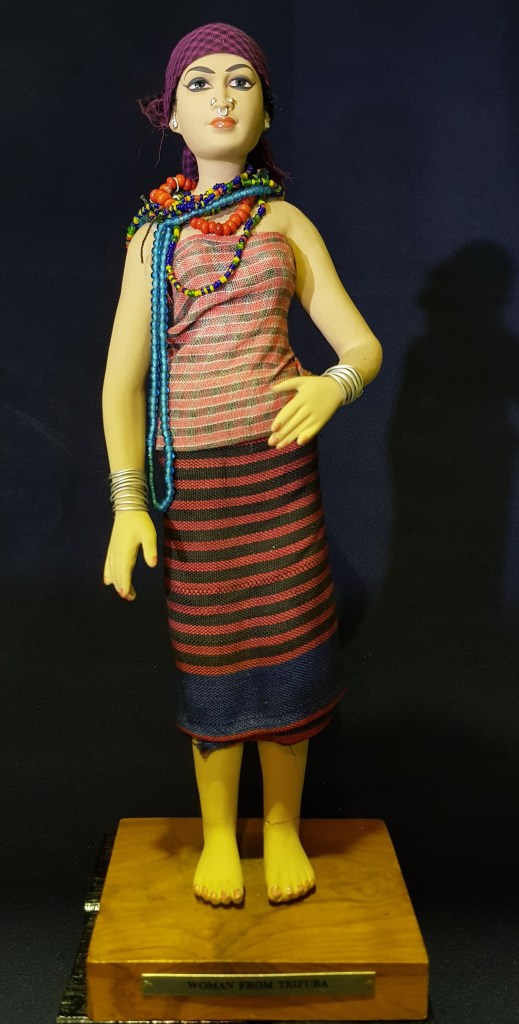
In return, Shankar’s Museum sent Marjorie 40 magnificent dolls representing individuals from various regions in India, made by artisans at Shankar’s own workshop. though held up for some time at the Indian High Commission in Canberra, upon redirection to Brisbane they were displayed at Panaroo’s and Marjorie recalls, at City Hall in the early 1990’s.
Marjorie donated all but a few of her beautiful Shankar’s Dolls to the institution that has evolved into the Logan Historical Museum, where they have remained in their cabinet for some 30 years.
These dolls were once displayed at Panaroo’s Playthings on Lutwyche Road, Windsor. Panaroo’s was Australia’s largest-ever museum of childhood. When Marjorie and Jim Fainges developed health problems in the late 1980s, there were some moves to roll the contents into a new public collection, but these came to nothing. The couple offered various Australian museums the choice of some 10 000 items. Queensland Museum acquired about 1000 Australian-made dolls and toys; Museums Victoria also had a significant slice of the Fainge’s collections. Most of the rest to auction.
The Republic of India is currently divided into 5 regions, 28 states and 8 unions territories. Each state and territory is pluricultiral and multilingual; also hundreds of languages are spoken in India. its Adivasi (Indigenous people) comprise well over 700 different ‘Scheduled Tribes’, who make up nearly 10% of the total population. Only the Banjara, Naga and Santhal tribes are represented here. Apart from the dancers, all the other dolls are labelled with a state or in the case of Jammu and Kashmir – territory.
India has eight (or nine, depending on the authority) classical dance forms. Kathak originated in the north, encompassing Utta Pradesh, Rajasthan and Madhya Pradesh, and the Union Territory of Delhi. Odissi began in began in Odisha (formerly Orissa) in northeast India; Kuchipudi, in Andhra Pradesh in southeast India. The Kathakali dance expresses stories of the Hindu epics Ramayana and the Mahabharata; Krishna is distinguished by the green face worn by heroes and deities, while Ravana had the red and black face traditionally indicating an evildoer.
The Museum wishes to thank Dr Sarah Engledow, Senior Research Officer of the Museum of Brisbane for her research,
 Logan City Historical Museum